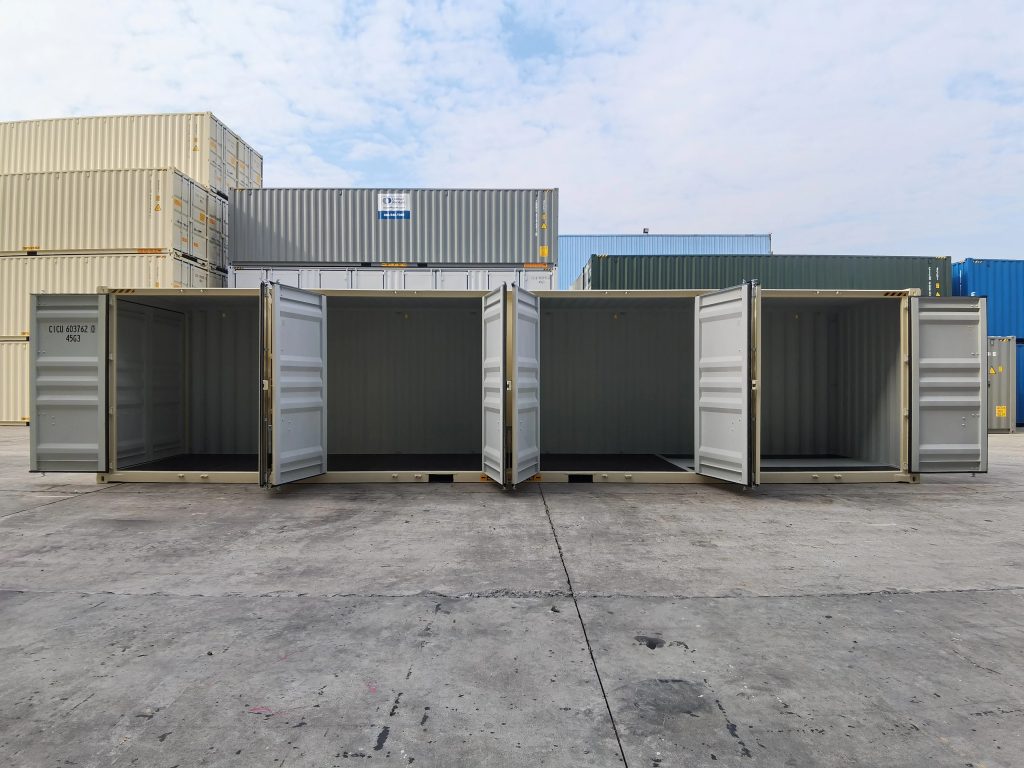
Understanding Dry Storage Containers: A Comprehensive Guide
In industries varying from shipping and logistics to farming and production, the efficient storage and transportation of items are essential. One key service for guaranteeing the safety and integrity of items throughout motion and storage is the dry storage container. This blog post will check out the different elements of dry storage containers, including their types, advantages, applications, and often asked concerns.
What Are Dry Storage Containers?
Dry storage containers, typically referred to as shipping containers, are robust metal boxes created for carrying items by road, rail, or sea. They provide a protected and weatherproof environment, securing cargo from external elements. Unlike refrigerated containers particularly created for disposable items, dry storage containers are dry on the within and safe for storing a large range of merchandise.
Types of Dry Storage Containers
Dry storage containers come in a number of types to meet various storage and transport needs. The following table summarizes the most typical types:
| Container Type | Dimensions (Feet) | Capacity (Cubic Feet) | Typical Uses |
|---|---|---|---|
| Standard Container | 20' | 1,169 | General cargo, customer items |
| Standard Container | 40' | 2,695 | Industrial devices, bulk items |
| High Cube Container | 20' | 1,284 | Taller products, furnishings |
| High Cube Container | 40' | 2,694 | Big industrial goods |
| Open Top Container | 20' | 1,169 | Heavy machinery, bulky items |
| Open Top Container | 40' | 2,695 | Cargo that needs top packing |
| Double Door Container | 20' | 1,169 | Easy access from both ends |
| Double Door Container | 40' | 2,695 | Versatile storage and transport |
Benefits of Using Dry Storage Containers
Dry storage containers offer numerous benefits that make them a preferred choice for various industries. Some key advantages include:
- Durability and Security: Made from high-grade steel, dry storage containers are developed to withstand harsh environmental conditions. They likewise come geared up with locking mechanisms for included security.
- Flexibility: These containers can store a vast array of items, including equipment, tools, furniture, and consumer items, making them ideal for numerous applications.
- Portability: Dry storage containers are easily portable by truck, train, or ship, allowing services to move their products effectively across different modes of transport.
- Cost-Effectiveness: Unlike standard storage facilities, dry storage containers can be rented or purchased for a lower general cost, making them a clever choice for services wanting to conserve cash.
- Customizability: Containers can be modified to match particular storage needs, such as including shelving, windows, or ventilation systems.
Applications of Dry Storage Containers
The applications for dry storage containers are vast and varied. Below is a list of sectors where these containers are made use of:
- Logistics and Shipping: Used for transporting items across global borders.
- Construction: Serving as on-site storage for tools and products.
- Retail: Providing extra storage space for stock.
- Agriculture: Storing tools, devices, and non-perishable agricultural products.
- Military: Transporting and keeping vital supplies and equipment.
- Catastrophe Relief: Serving as flexible storage units in emergency circumstances.
Secret Considerations When Choosing Dry Storage Containers
When selecting dry storage containers, numerous factors must be thought about to guarantee they fulfill specific needs:
- Size: Assess the dimensions and capacity based on the volume and kind of goods to be saved.
- Condition: Check whether to buy new or used containers, based upon budget restrictions and storage requirements.
- Ease of access: Consider how often products will require to be accessed and design the storage layout accordingly.
- Security Features: Ensure that the containers have correct locking systems for included security.
- Area: Evaluate where the containers will be placed, whether on-site, at a storage backyard, or throughout transportation.
Regularly Asked Questions (FAQ)
Q1: How long can I keep products in a dry storage container?A1: Goods can be stored in
dry storage containers for a prolonged duration, though it's suggested to routinely inspect on the items to guarantee condition and security. Q2: Are dry storage containers waterproof?A2: While
dry storage containers are developed
to be weather-resistant, they are not completely waterproof. They can manage rain and wetness but should not be immersed in water. Q3: Can I customize a dry storage container?A3: Yes, dry storage containers can be modified to fit particular needs, such as adding windows, ventilation, or shelving systems. Q4: How do I transport a dry storage container?A4: Transporting a dry storage container normally requires specialized trucks
or trailers which are equipped to raise and move heavy containers. Q5: Are dry storage containers environmentally friendly?A5: Dry storage containers can be thought about environmentally friendly as they are frequently made from recyclable
products. Furthermore, repurposing used containers for new applications typically prevents waste. cogcontainersltd work as a dependable and economical solution for companies wanting to safely keep and transport their goods. From understanding the numerous types and benefits to understanding the applications and considerations when choosing one, it appears that these containers play a vital function in today's logistics landscape. Whether you find yourself in retail, construction, farming, or catastrophe relief, investing in dry storage containers may prove to be a wise relocation that enhances efficiency and security. By understanding the value that dry storage containers give the table, companies can better safeguard their assets and streamline their operations in a competitive market.